
On Horses and Men
Campolina breed auction in Duas Barras. RJ, Brazil

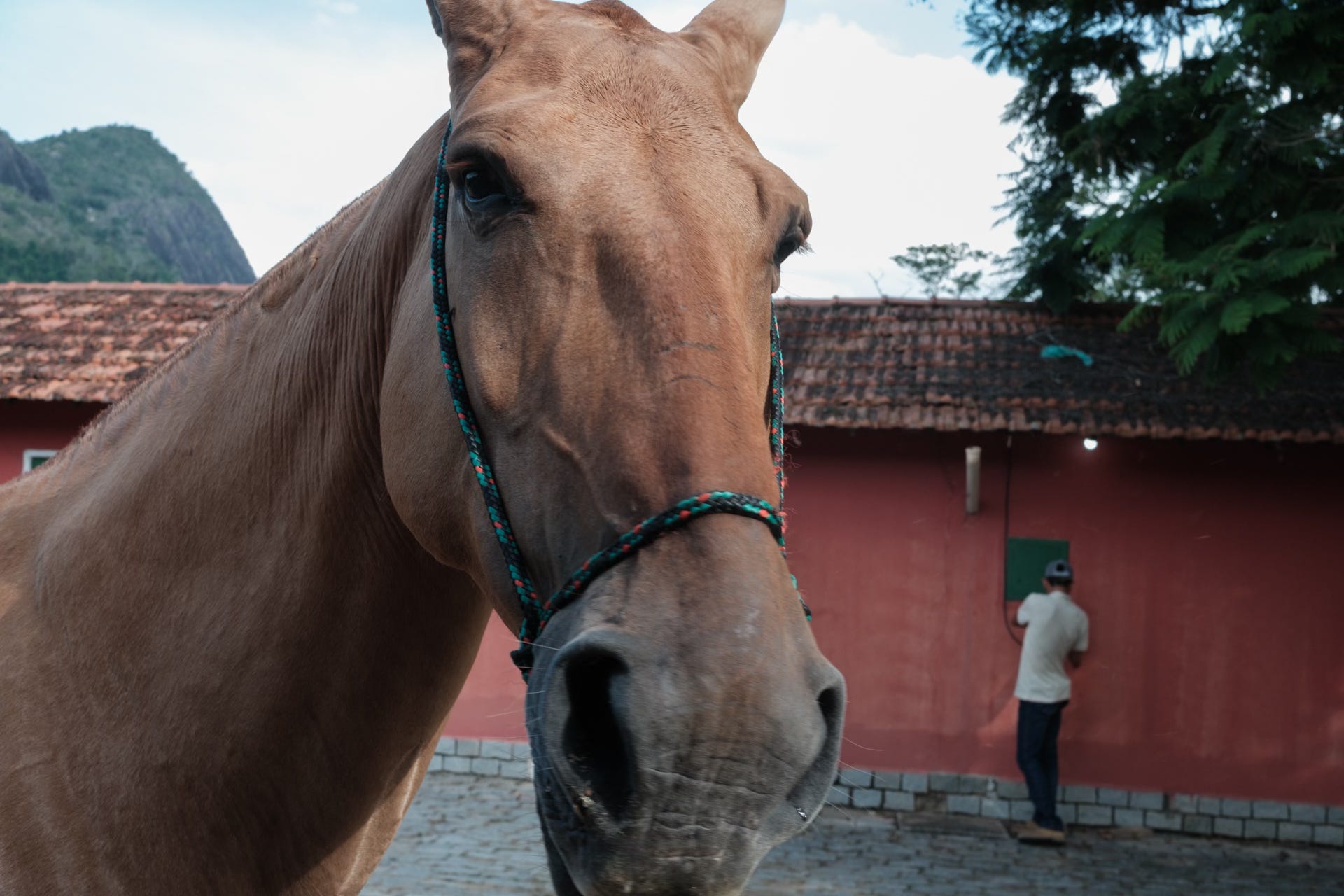
I have loved horses since I remember. They are deeply intertwined with my earliest memories of my grandfather and of the state he had 68 kilometers north of Bogota, where I spent in his company months on a row each year throughout my childhood, adolescence and early adulthood. La Ruana, the mare that my grandfather gave me as a present, turned into a silent witness of my growing up, the most important companion in my weekend excursions in the fields, and a beloved friend. She taught me how horses feel you, how they care and show affection, and how deep of a bond can be made with them. La Ruana is part of my most cherished memories.
My adult years have been lived far away from horses but I was lucky to be invited recently to a friend’s fazenda in the state of Rio de Janeiro, where her brother has been breeding Campolinas - a Brazilian breed that dates back to 1870 when Cassiano Campolina bred a Barbary mare to an Andalusian stallion. The resulting foal, “Monarca”, is considered to be the foundation stock of the Campolina.
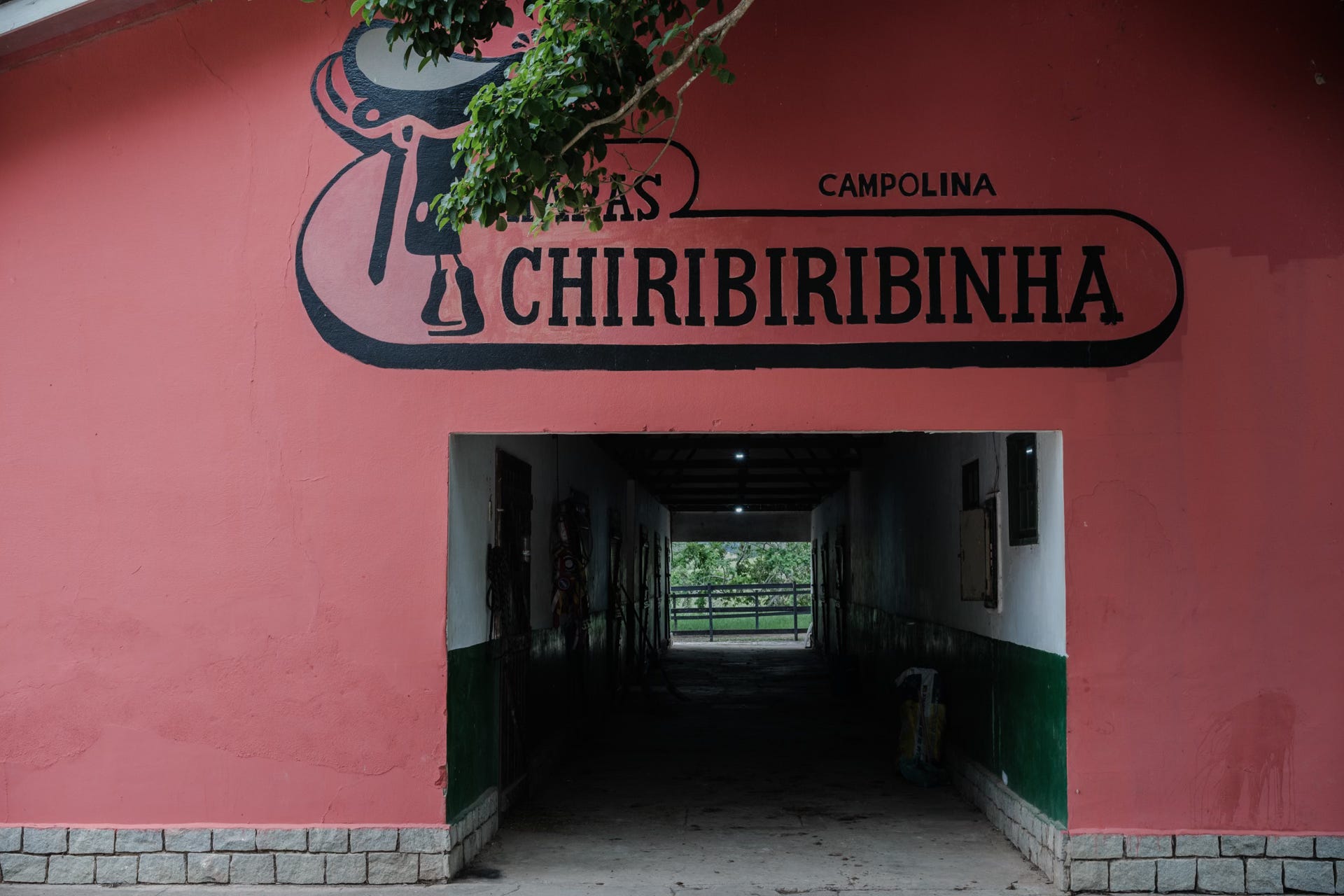
The Chiribiribinha stud farm was started 40 years ago as a passion of my friend’s brother. Over the course of time Chiribiribinha has become a national referent in the genetic pool of the Campolina breed. It was home to Neruda, the champion of champions in 2007, and since then has become a landmark in the national auction circuitry.
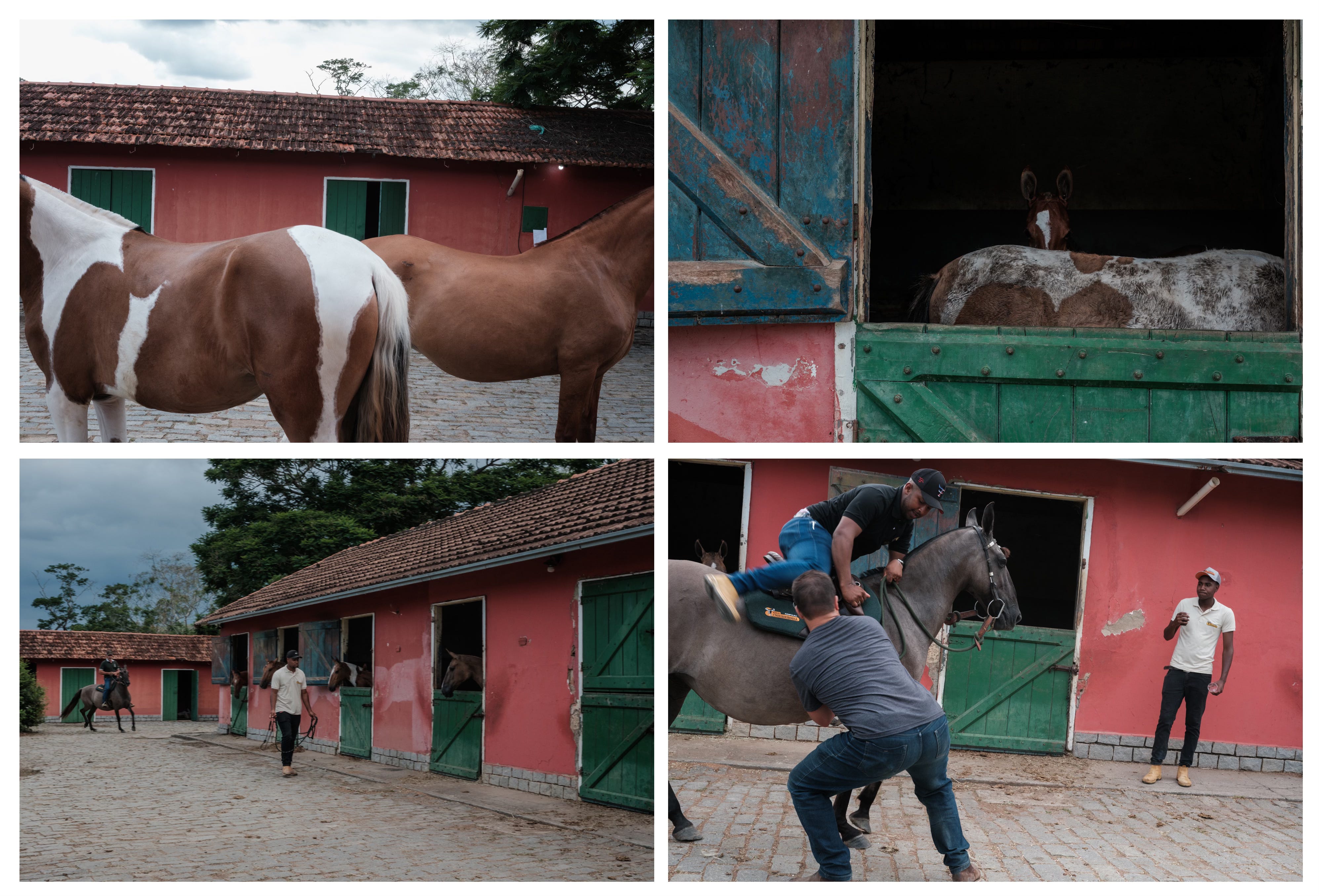
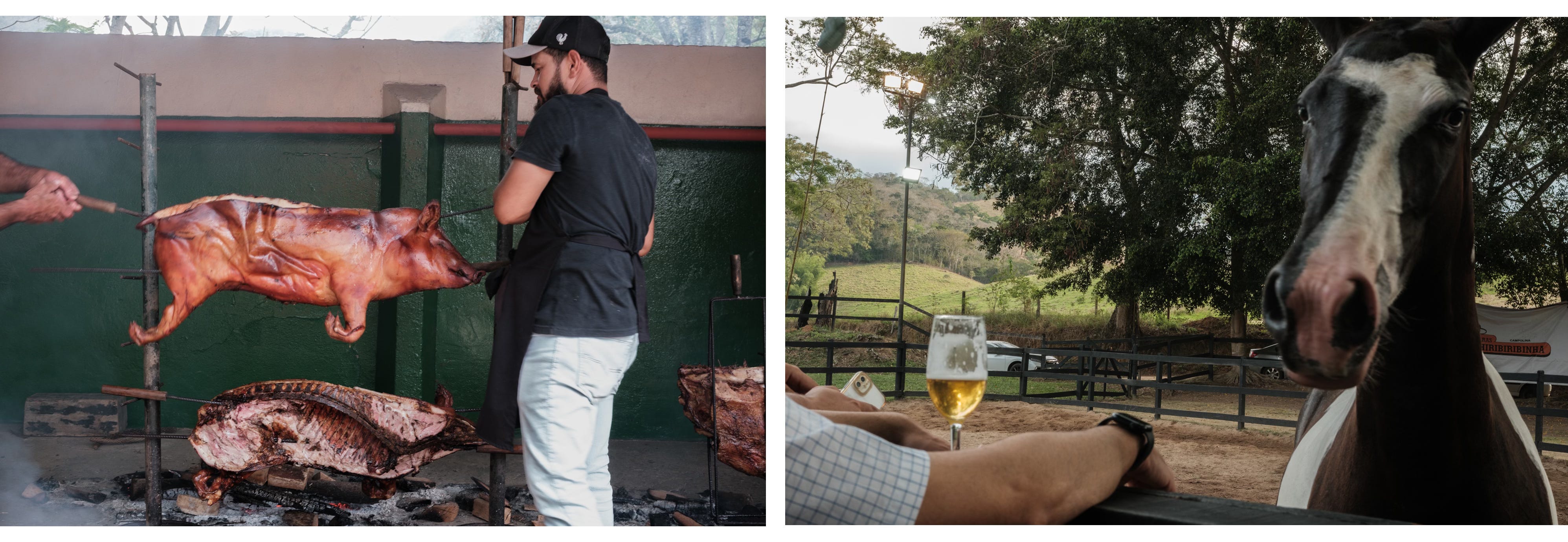
While deeply captivated by the beauty of both horse and location, I couldn’t stop noticing how this world of animal husbandry and genetic marketplace is essentially dominated by men. Men are trainers and caretakers, cooks, auction hosts and owners. Women do partake but mostly as observers and perhaps as very occasional buyers. It’s a world of status and power where all the elements of the manosphere manifest seamlessly in a performance around the holding pen where stallions and mares are displayed. It’s not only about buying and selling, but networking, positioning and posing. With close observation it’s unavoidable to notice how participants gravitate to two or three personalities who command economic, political and financial status, and how quickly a non-scripted performance unfolds. In a twist it seems the holding pen for horses mirrors what’s unfolding across the wooden fencing.
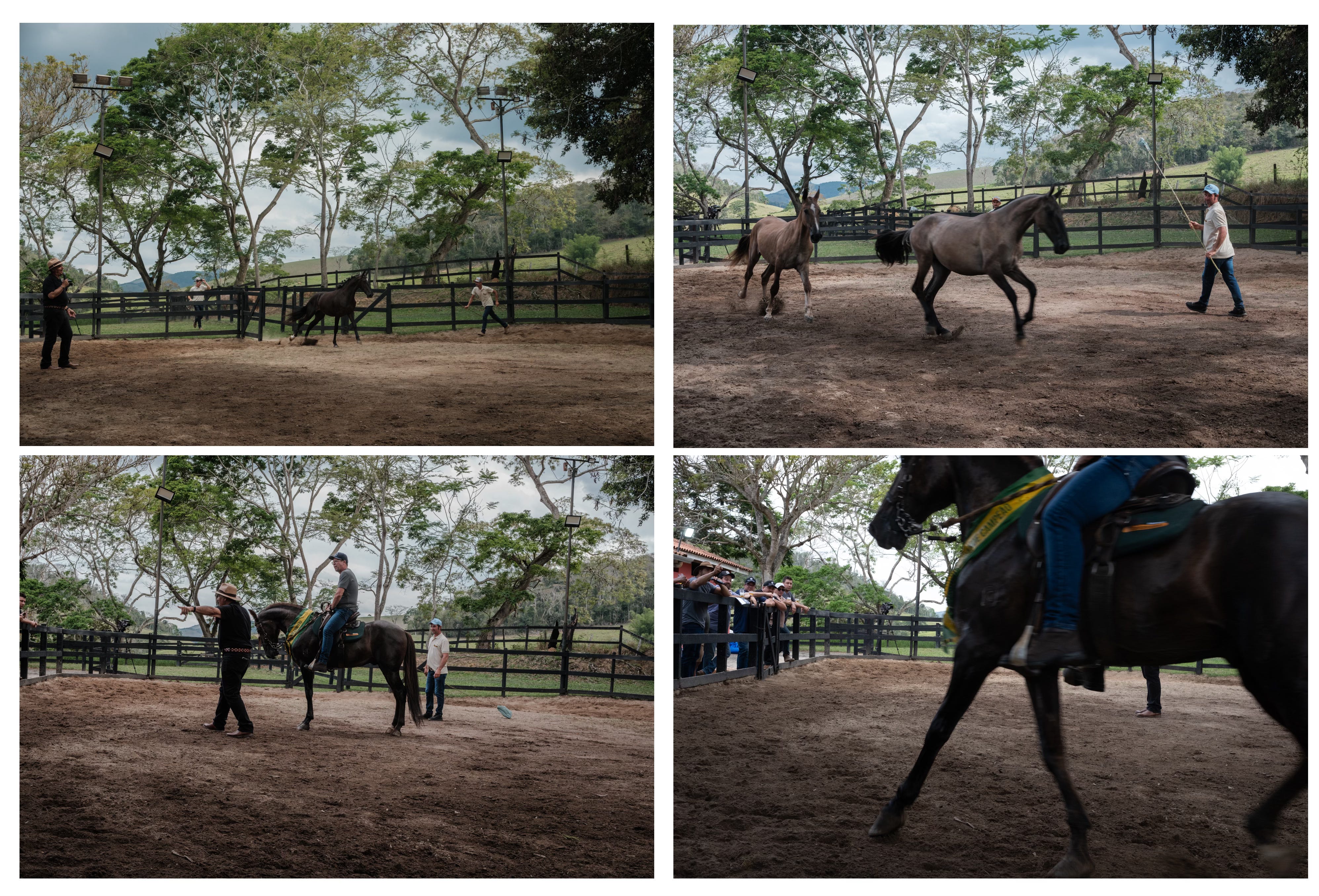
The auction is not a single event but rather a complex process that begins days before with potential buyers visiting the state and previewing the horses, with licensed veterinarians checking up the animals, with brokers silently moving back and forth from buyer to seller. Potential buyers carefully examine the catalogue previously produced with all the items on sale: young colts and fillies, stallion’s frozen semen for artificial insemination, and offsprings of broodmares.
This particular auction was an important event attracting potential buyers from all of Brazil. It was streamed live through YouTube with off-site buyers participating through on-site brokers. The auction lasted three days, involving major logistics in catering and housing.
After the frantic days a return to the stables was refreshing. A quiet time with the horses, a silent ride around the state. A moment of reconnection with past memories, with a bond that has remained with me throughout my adult life. A quiet understanding, a profound and respectful trust. A connection with time, memory and with one shared destiny. We are both integral parts of nature. Not for sale, not for auction.
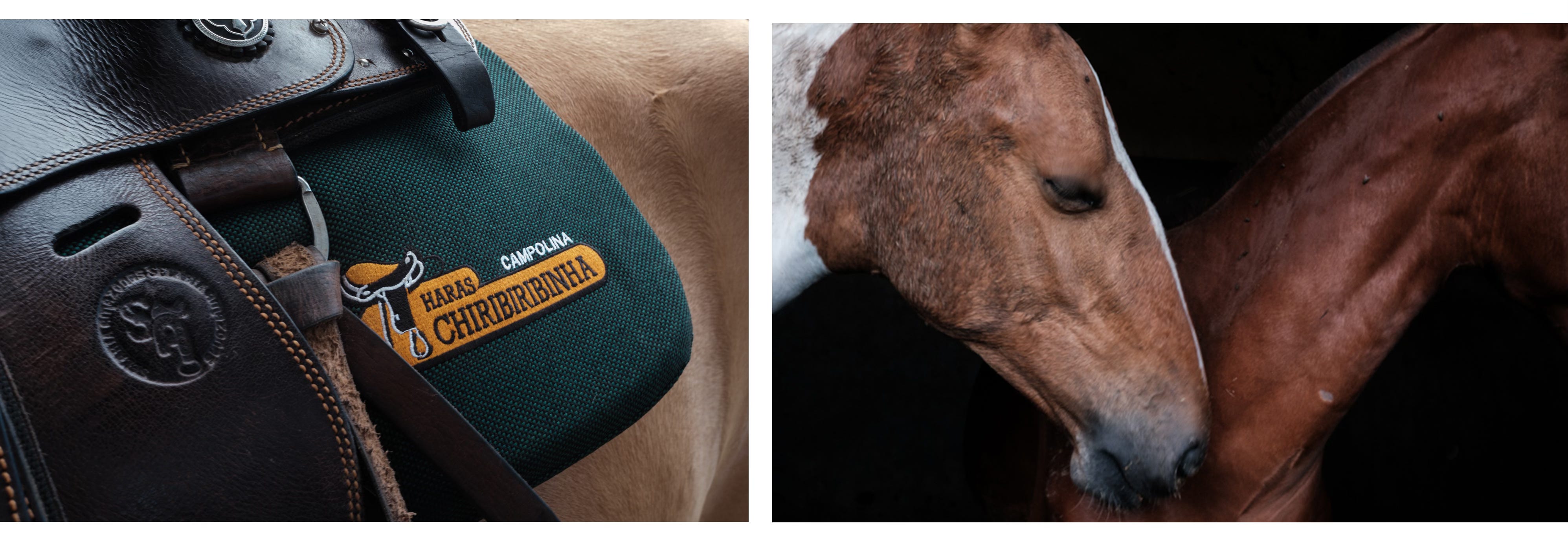
Fun fact. 500 meters further down the road from the Haras Chiribiribinha, is the gate to the fazenda of artist, Leica photographer and interior designer, Lenny Kravitz.
wonderful piece
Your love of horses comes across in your photographs.