
Place and Meaning
On the intersection of landscapes

When I was growing up I used to pass hours loosing myself in a handsome stack of magazines that had made their way to the lower shelves of my parent’s bookcases: Life, Paris Match, National Geographic and the less known Brazilian Manchete were there for my amusement. The diversity of images and stories in those pages were a playing ground for my imagination. The magazines were always there for me to visit and revisit, each time imagining different stories, different possibilities and outcomes. In stark contrast with this paused and intentional ingestion, was the fast pace of movies and tv shows that bombarded my young self with repetitive sequences of frames that soon transformed the Brooklyn Bridge, the Statue of Liberty and Manhattan, with its orderly horizontality and verticality, into solid immutable icons. In my imagination I could only travel to an unequivocal New York that was already digested and fed to me. While exciting in principle this came at a hefty cost. When I first visited, still young in age, I didn’t feel the thrill of discovering a city; somehow I had already being instructed on what to see, what to expect, where to focus and almost what to experience. There was a deep sense of disappointment. I was experiencing a New York constructed by icons not my own New York, built on my own experience of feeling and inhabiting its streets and alleys. In hindsight, perhaps this was the seed moment from which I was to develop, years later, a visceral dislike for grand narratives that explain what a place is and how we are meant to see it.
As I age I have come to appreciate more the polyphonic narratives that live beyond the solid soulless wholes that thrive on mass consumption and self fulfilling prophesies. The insatiable ingestion of images of a place, now exacerbated by social media, normalize what the place “is”, what to expect, what and how to see, leaving in its wake little room for discovery, for awe, for the unexpected1. What makes a place unique is how we experience it in our mind, our emotions, our senses, our soul. Leaving this out is sanitizing it all, sort of erasing the unexpected appearance of Bugs Bunny in the image below, as IT engineers erase bugs in AI so the artificial can flow freely.
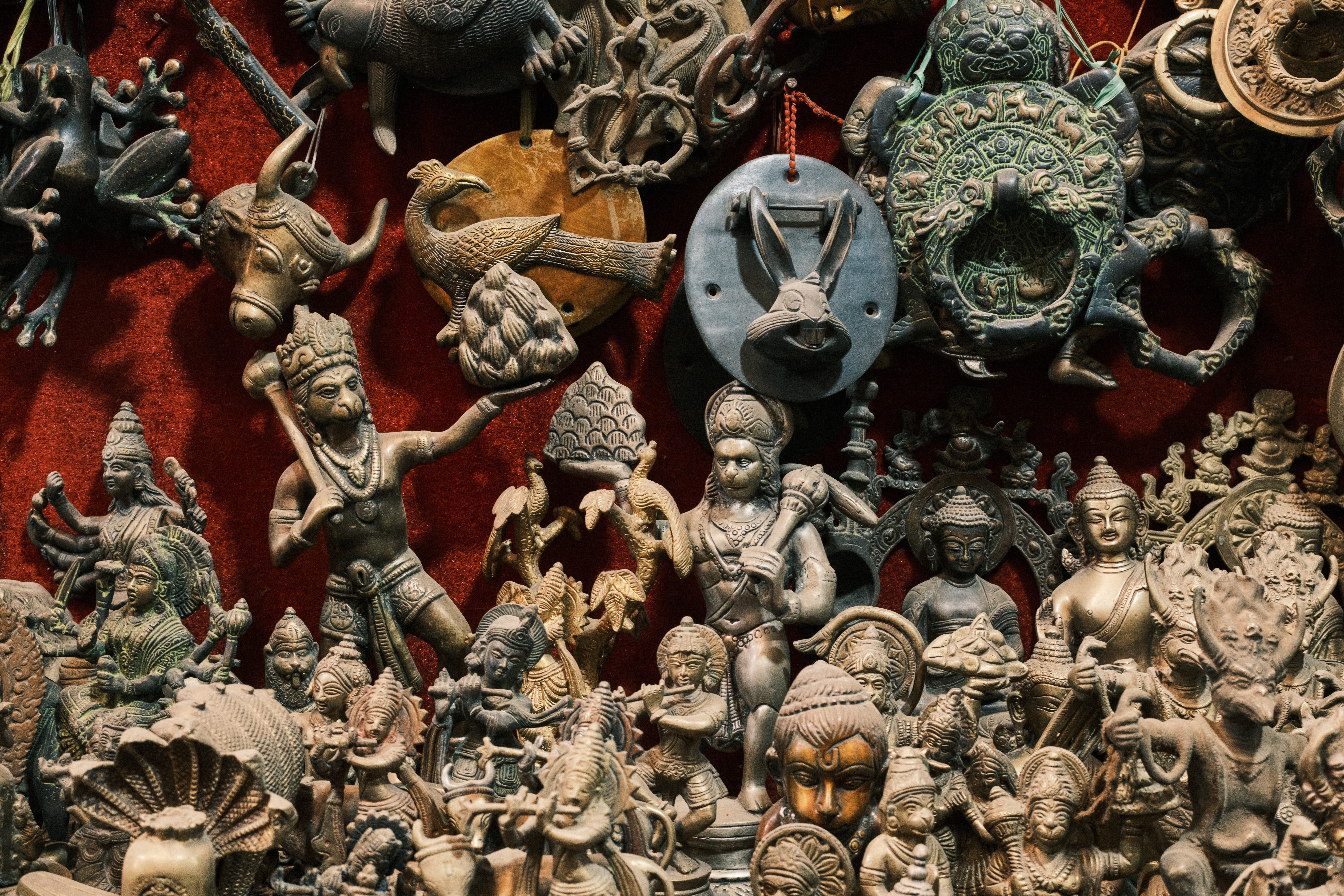
A place, like everything else that unfolds in our experience, has no meaning in itself. There is nothing intrinsic to appreciate or disqualify, nothing intrinsic to love or hate, nothing intrinsic to embrace or reject. A place, like everything else, just is. It is our own personal journey through a place which creates meaning. When we are attuned and allow a place to traverse us without filters we gift ourselves with the immense privilege of discovering its resonance: the sound and rhythm of the dance between two landscapes, the outer and our inner world. Sometimes we discover a disturbing dissonance that produces unease and discomfort. Other times flattened and dull melodies that trigger indifference. And yet others profound harmonies that engulf us. Perhaps when we learn how to listen, and see as we listen, we and place become one. And the beauty of this reckoning is that it allows our point of view to manifest as a sort of temporary conclusion from a lived experience where the inner and outer landscapes align. Place, experience and meaning merge into a unity, a deeply personal single whole.
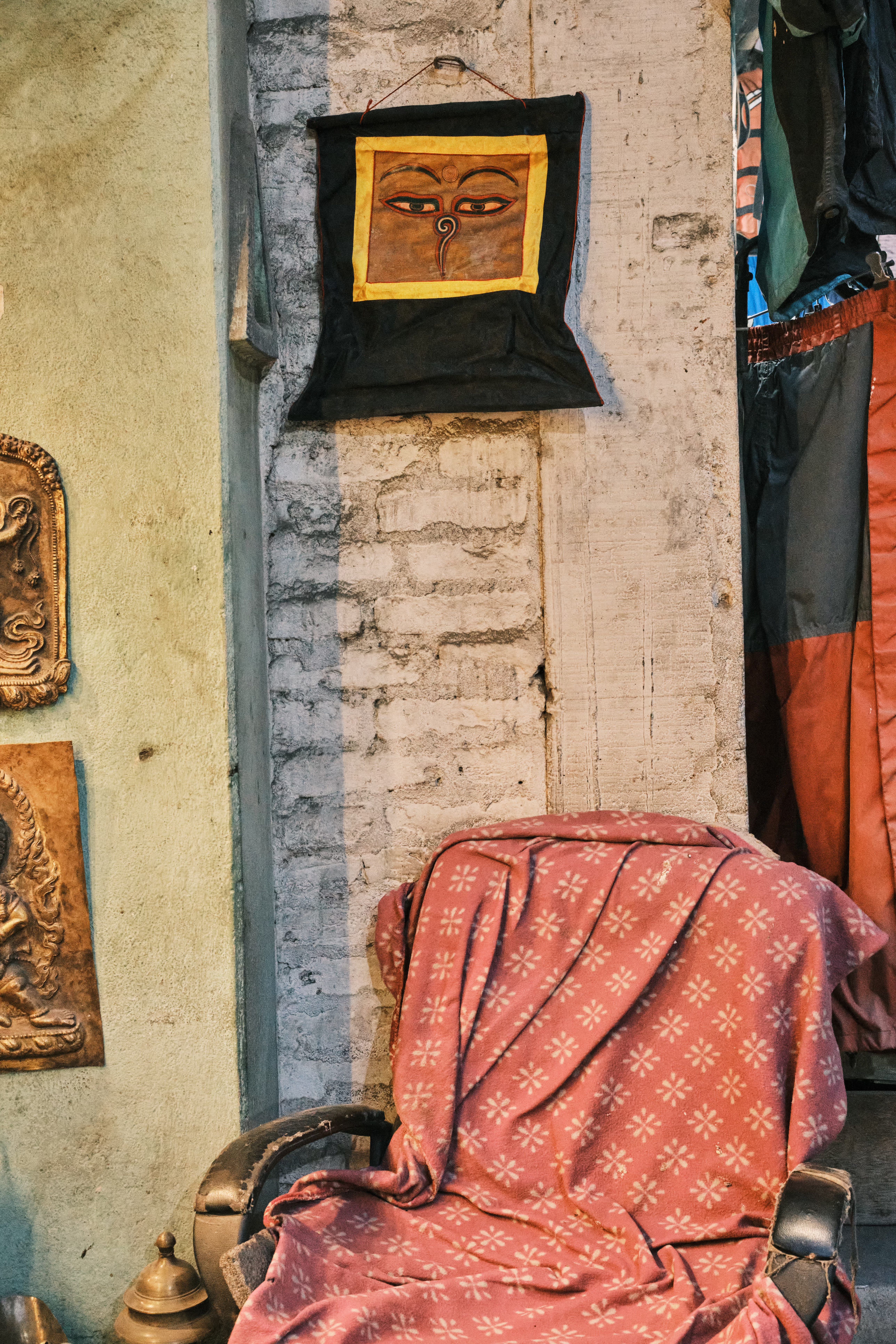
I have visited Kathmandu several times over the last 25 years, and each visit brings a different feeling, a nuanced taste, a distinct memory, an alternative meaning. Despite the many visits there is yet no single Kathmandu. There is no grand narrative for me to conclude and share with others, but a collection of stories built around points of view specific to a time, a place and a state of mind.
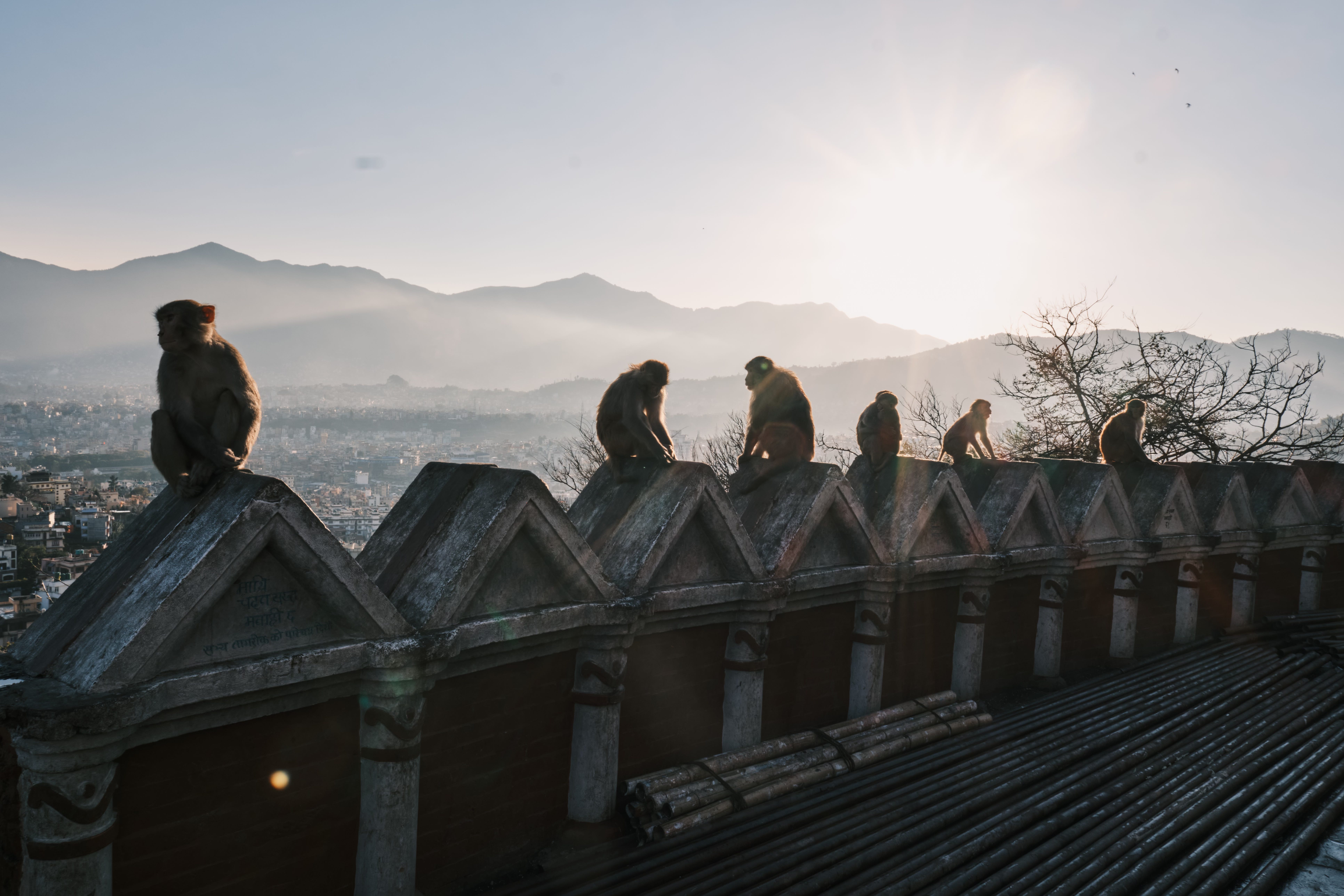
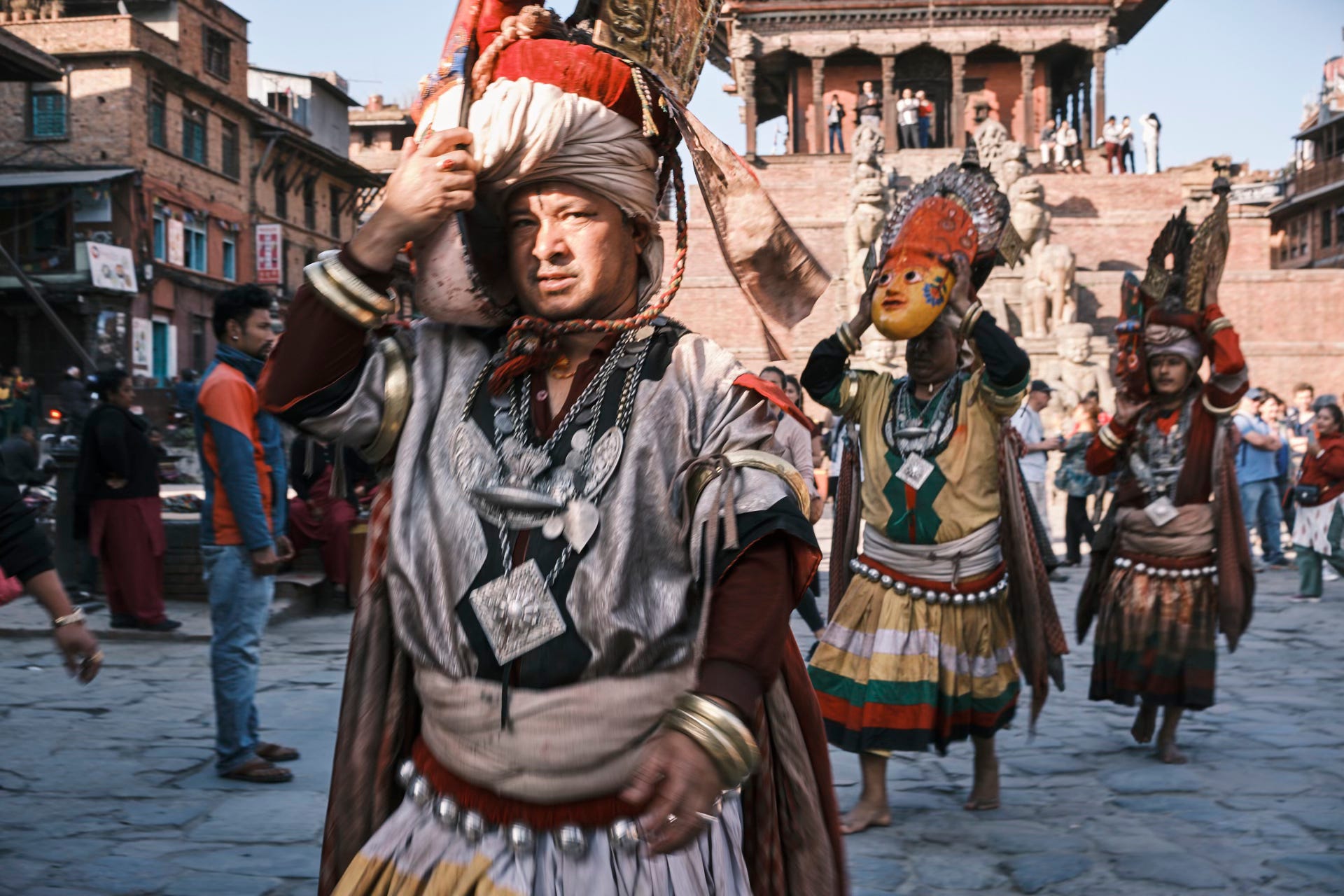
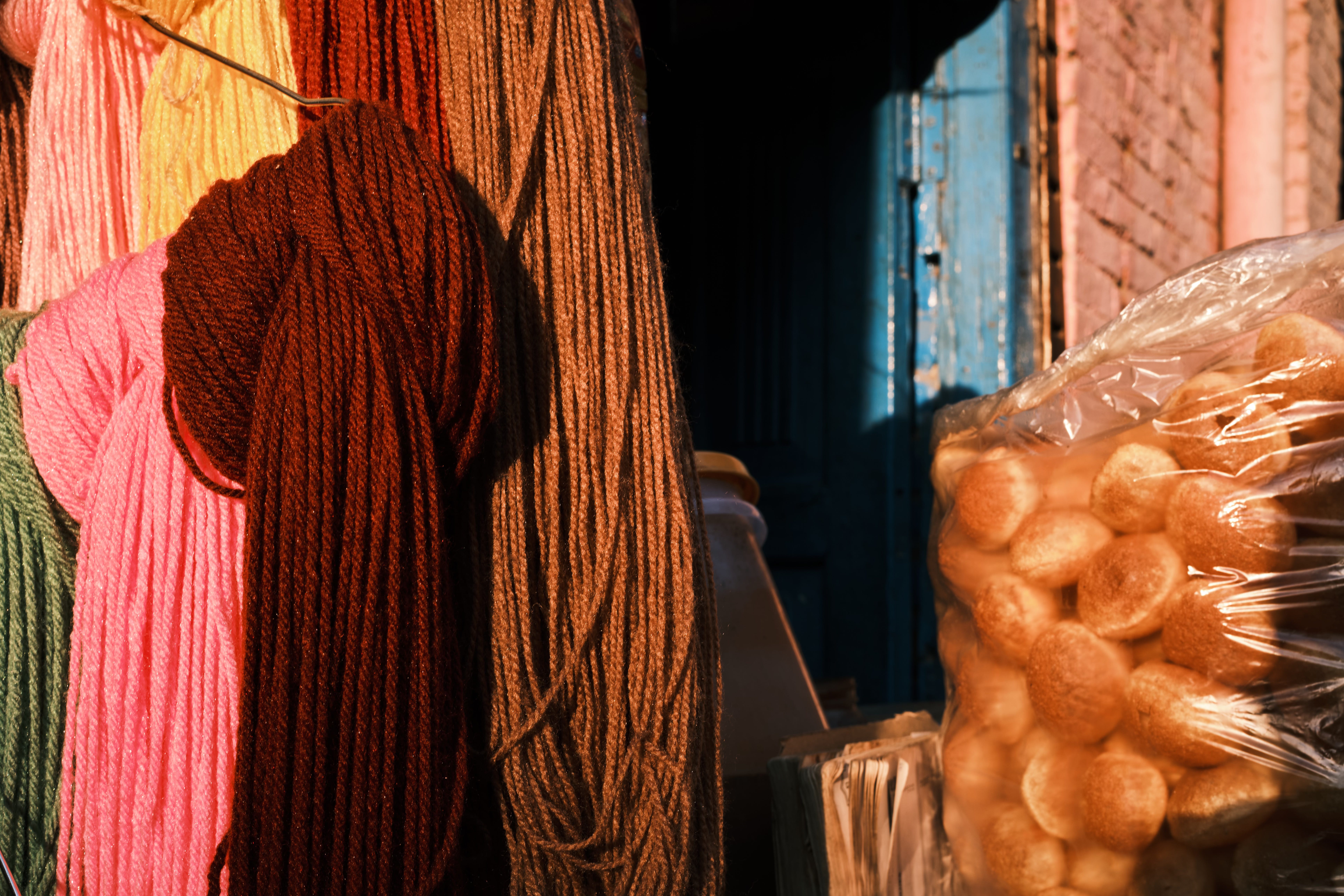
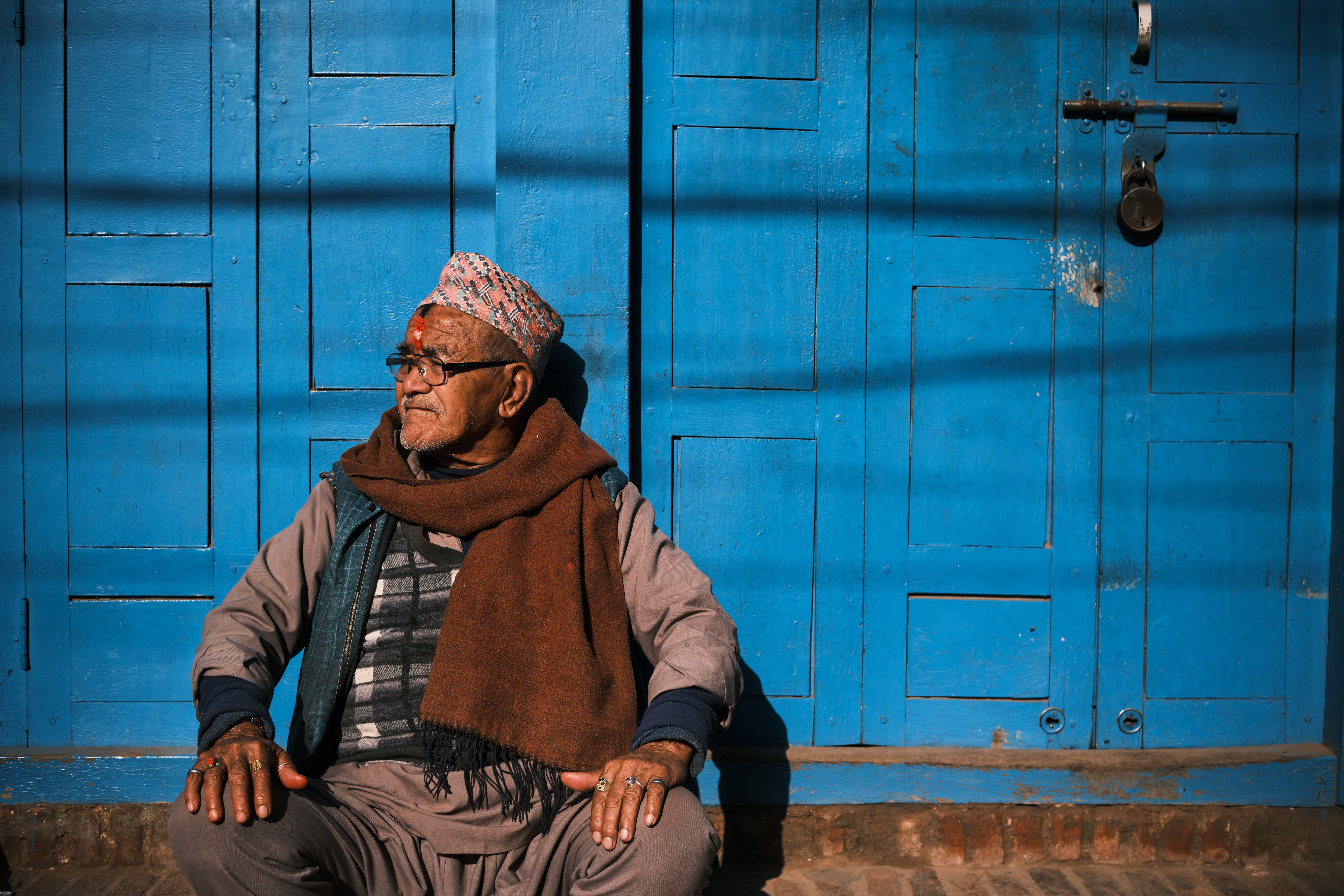
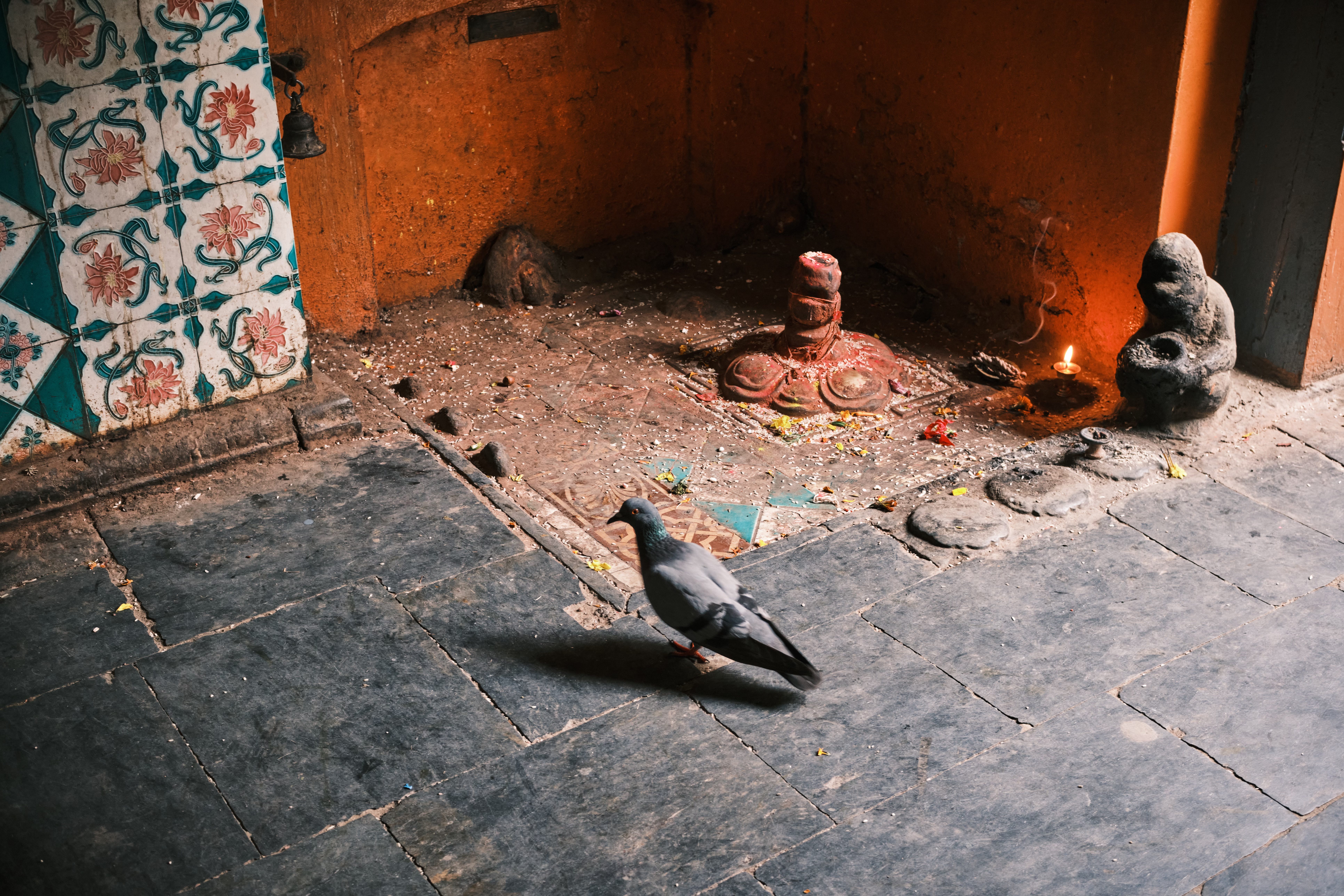
My last visit was in March this year. Equipped with a professional camera and with no preconceived intention but to allow the city pass through me while delving into the craft of capturing images. At the end of my trip I had close to 400 photographs and the opportunity to reflect back. The photographs were pivotal in my attempt to figure out how my inner and outer landscapes in my latests Kathmandu adventure were dialoguing. Filtering followed, with the remaining captures turning into pieces of a puzzle waiting for a right arrangement. A sort of visual clay that was then sculpted back and forth through sequences that were revisited, remade, reordered until it felt like they could convey a glimpse of a deeply personal experience of place.
As I am writing a song comes in my playlist, Antes de Morir (LosPetitFellas, Denise Gutierrez, DJ Pho). As the music starts playing a voice in a background track whispers:
El mundo no está hecho de átomos, está hecho de historias. Porque son las historias que lo recrean, lo multiplican 2
My latests journey traversing Kathmandu is just one story of many that this wonderful city elicits, registered in a zine I just published. Life in its ever changing sameness, in its ordinary magic and enchantment, in its constant flow, with its unique idiosyncratic expressions, beliefs, rituals and aesthetics.
काठमाडौँ (Kathmandu) flowing through the valley of life.
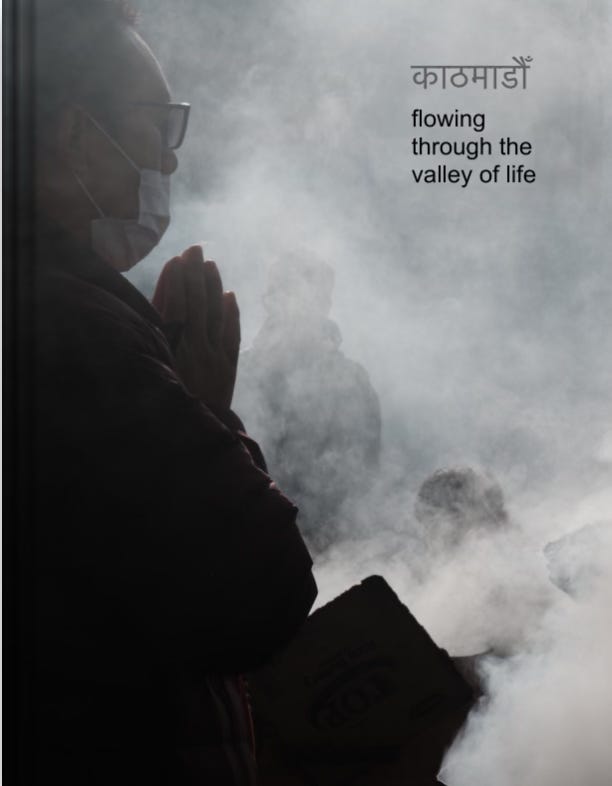
Preview and purchase the zine or pdf version
For a great read about the erasure of difference and the sanitizing/homogenizing effects of mass and social media see Norval’s Baitello’s 2014 book A Era da Iconofagia. (only in portuguese)
The world is not made of atoms, it’s made of stories, because it’s the stories that recreate and multiply the world.
Beautiful Santiago 👏🏽👏🏽👏🏽👏🏽👏🏽
Love the zine.